
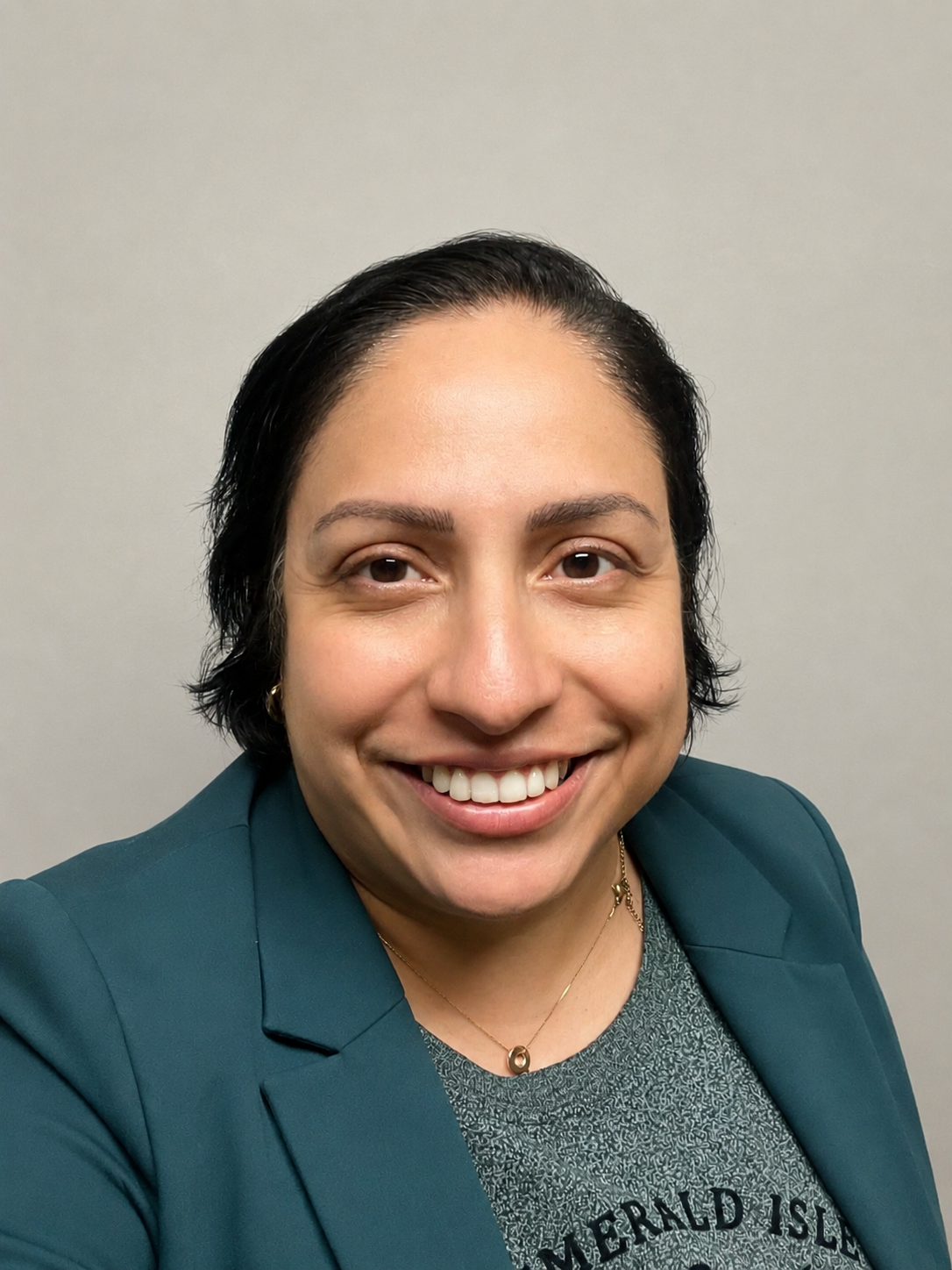
Adriana Angarita-Fonseca
Postdoctoral Fellow in Sex and Gender Cardiovascular Epidemiology
Research Institute of the McGill University Health Centre, Montréal, Quebec, Canada
Senior Researcher
Universidad de Santander, Bucaramanga, Colombia
Background
Adriana Angarita-Fonseca is a Senior Postdoctoral fellow in Sex and Gender in Cardiovascular Epidemiology at McGill University. She is a former Postdoctoral fellow in Chronic Pain Epidemiology in the Laboratoire de recherche en épidémiologie de la douleur chronique at the Université du Québec en Abitibi-Témiscamingue and the Centre de recherche du Centre hospitalier de l’Université de Montréal. After receiving her Bachelor’s degree in Physiotherapy from the Universidad Industrial de Santander (UIS), Colombia, she obtained a Master’s degree in Epidemiology from the Universidad Industrial de Santander (UIS) and a Master’s degree in Statistics from the Universidad de Valparaiso, Chile. She completed her doctoral training in Community and Population Health Science at the Canadian Centre for Health and Safety in Agriculture’s Ergonomics Laboratory (2015-2020) and the Musculoskeletal Health and Access to Care Research Group (2020) at the University of Saskatchewan. Currently, her main research interest is sex and gender in health outcomes.
In parallel with her Ph.D. studies and as a member of the Network of Rehabilitation Workers of the Americas (NRWA), she coordinated the Visiting Lecturer and Workshop Series in Honduras, which is a professional development program for rehabilitation workers in Honduras organized by the NRWA, School of Rehabilitation Science from the University of Saskatchewan (USask), and the Universidad de Santander (UDES) in Colombia with support from Honduran partners. She had received funding from two internal grants at the Universidad de Santander. From this work, she published two papers as the first author and won second place in a Latin-American paper competition in 2019 and 2021. Additionally, in the context of her position as a faculty and researcher at the Universidad de Santander in Colombia, she has taught different courses. She was a co-supervisor of a summer student at McGill University. Previously, she supervised 12 master students (four as principal supervisor), mostly her colleagues in the UDES physiotherapy program (n=7).
Research Interests
- Cardiopulmonary Epidemiology
- Sex and Gender
- Women’s Health
- Chronic Pain
- Musculoskeletal Health
- Rehabilitation
Curriculum vitae
Positions
Postdoctoral Fellow
McGill University, Montreal, Quebec, Canada
Postdoctoral Fellow
Université du Québec en Abitibi-Témiscamingue, Rouyn Noranda, Quebec, Canada
Centre de recherche du Centre hospitalier de l’Université de Montréal, Montréal, Quebec, Canada
Researcher
Physiotherapy Program
Universidad de Santander, Colombia
Research Assistant, Teaching Assistant
University of Saskatchewan, Canada
Assistant Professor
Physical Culture, Sports, and Recreation Program [Kinesiology]
Universidad Santo Tomas, Colombia
Education
Doctor of Philosophy
in Community and Population Health Sciences
University of Saskatchewan, Canada
Master of Science
in Statistics
Universidad de Valparaiso, Chile
Master of Science
in Epidemiology
Universidad Industrial de Santander, Colombia
Bachelor of Science
in Physiotherapy
Universidad Industrial de Santander, Colombia
2024
Jacome-Hortua, Adriana Marcela; Rincon-Rueda, Zully Rocio; Sanchez-Ramirez, Diana C.; Angarita-Fonseca, Adriana
Effects of a WhatsApp-Assisted Health Educational Intervention for Cardiac Rehabilitation: A Randomized Controlled Clinical Trial Protocol Journal Article
In: MPs, vol. 7, no. 2, 2024, ISSN: 2409-9279.
Abstract | Links | BibTeX | Tags: Cardiac Rehabilitation, Cardiovascular Diseases, Education, Health Education, Knowledge, Physiotherapy
@article{Jacome-Hortua2024,
title = {Effects of a WhatsApp-Assisted Health Educational Intervention for Cardiac Rehabilitation: A Randomized Controlled Clinical Trial Protocol},
author = {Adriana Marcela Jacome-Hortua and Zully Rocio Rincon-Rueda and Diana C. Sanchez-Ramirez and Adriana Angarita-Fonseca},
doi = {10.3390/mps7020035},
issn = {2409-9279},
year = {2024},
date = {2024-04-00},
urldate = {2024-04-00},
journal = {MPs},
volume = {7},
number = {2},
publisher = {MDPI AG},
abstract = {\<jats:p\>Although the effectiveness of cardiac rehabilitation (CR) programs in secondary prevention is well-recognized, there is a lack of studies exploring the potential of mobile health to enhance educational interventions within CR. The objective is to assess the impact of a structured WhatsApp-assisted health educational intervention, in conjunction with the usual care, compared to the usual care alone among participants enrolled in a CR program. The trial will recruit 32 participants enrolled in a CR program, who will be randomly assigned to a structured WhatsApp-assisted health educational intervention plus usual care or usual care alone group. The intervention will span 4 weeks, with assessments at baseline, 4 weeks, and 3, 6, and 12 months. The primary outcome measure is the cardiovascular risk factors knowledge score. Secondary outcomes include physical activity levels, anxiety and depression, and quality of life. Expected results include improved knowledge of cardiovascular risk factors, increased physical activity levels, and better mental health outcomes in the intervention group. Additionally, an enhancement in the overall quality of life is anticipated. These findings are expected to underscore the value of integrating mHealth with traditional CR methods, potentially shaping future approaches in chronic disease management and prevention.\</jats:p\>},
keywords = {Cardiac Rehabilitation, Cardiovascular Diseases, Education, Health Education, Knowledge, Physiotherapy},
pubstate = {published},
tppubtype = {article}
}
2022
Boneth-Collante, M. C.; Salazar-Rodríguez, J.; Angarita-Fonseca, A.
Use of Moodle to strengthen citizenship competencies in physiotherapy students: a pretest-posttest design Journal Article
In: Retos, vol. 44, no. 2, pp. 242-251, 2022.
Abstract | Links | BibTeX | Tags: Competency-Based Education, Education, Educational Assessment, Knowledge, Learning, Physiotherapy, Students, Technology
@article{JA2201,
title = {Use of Moodle to strengthen citizenship competencies in physiotherapy students: a pretest-posttest design},
author = {M. C. Boneth-Collante and J. Salazar-Rodr\'{i}guez and A. Angarita-Fonseca},
url = {https://recyt.fecyt.es/index.php/retos/article/view/82517/66783, Retos},
doi = {10.47197/retos.v44i0.82517},
year = {2022},
date = {2022-01-01},
urldate = {2022-01-01},
journal = {Retos},
volume = {44},
number = {2},
pages = {242-251},
abstract = {Introduction: Moodle is a learning information and communication technology widely used worldwide and has been little used to strengthen citizenship competencies.
Objective: To improve citizenship competencies through a pedagogical strategy in the Moodle platform in students registered in the training courses of clinical/administrative physiotherapy practice at the University of Santander, Bucaramanga, Colombia.
Methods: A pretest-posttest design was carried out. The educational intervention consisted of a pedagogical activity available online 24 hours a day in Moodle for ten weeks. A sample of 41 students completed a questionnaire before and after the educational intervention, which consisted of 25 questions distributed in five dimensions: political constitution, multi-perspective, systemic and reflective thinking, argumentation, and ethics. The total score per dimension ranged from 0 to 100.
Results: The average knowledge score was 60.8 ± 12.9 in the pretest and 65.1 ± 15.4 in the posttest (p = 0.0665). After the educational intervention, there were positive changes in eight of the 25 questions (p \<0.005), three of which corresponded to the multi-perspective dimension. In the analysis by subgroups, it was found that those who obtained a score equal to or less than 60 in the initial evaluation significantly improved their knowledge [pretest = 51.6 (9.9), posttest = 60 (15.1), p-value = 0.018].
Conclusion: A educational intervention with Moodle increased the knowledge of some citizenship competencies among physiotherapy students, especially in the multi-perspective dimension.},
keywords = {Competency-Based Education, Education, Educational Assessment, Knowledge, Learning, Physiotherapy, Students, Technology},
pubstate = {published},
tppubtype = {article}
}
Objective: To improve citizenship competencies through a pedagogical strategy in the Moodle platform in students registered in the training courses of clinical/administrative physiotherapy practice at the University of Santander, Bucaramanga, Colombia.
Methods: A pretest-posttest design was carried out. The educational intervention consisted of a pedagogical activity available online 24 hours a day in Moodle for ten weeks. A sample of 41 students completed a questionnaire before and after the educational intervention, which consisted of 25 questions distributed in five dimensions: political constitution, multi-perspective, systemic and reflective thinking, argumentation, and ethics. The total score per dimension ranged from 0 to 100.
Results: The average knowledge score was 60.8 ± 12.9 in the pretest and 65.1 ± 15.4 in the posttest (p = 0.0665). After the educational intervention, there were positive changes in eight of the 25 questions (p <0.005), three of which corresponded to the multi-perspective dimension. In the analysis by subgroups, it was found that those who obtained a score equal to or less than 60 in the initial evaluation significantly improved their knowledge [pretest = 51.6 (9.9), posttest = 60 (15.1), p-value = 0.018].
Conclusion: A educational intervention with Moodle increased the knowledge of some citizenship competencies among physiotherapy students, especially in the multi-perspective dimension.
2017
Niño, C. A.; Angarita-Fonseca, A.; Rayón, G. A. Villamizar
Effect of stretching versus stretching after application of ultrasound on the extensibility of the hamstring muscles in adult women Journal Article
In: UstaSalud, vol. 16, pp. 35-42, 2017.
Abstract | Links | BibTeX | Tags: Extensibility, Flexibility, Physiotherapy, Rehabilitation, Stretching, Ultrasound, Women's health
@article{RN6,
title = {Effect of stretching versus stretching after application of ultrasound on the extensibility of the hamstring muscles in adult women},
author = {C. A. Niño and A. Angarita-Fonseca and G. A. Villamizar Rayón},
url = {http://revistas.ustabuca.edu.co/index.php/USTASALUD_ODONTOLOGIA/article/view/2018},
doi = {10.15332/us.v16i0.2018},
year = {2017},
date = {2017-01-01},
urldate = {2017-01-01},
journal = {UstaSalud},
volume = {16},
pages = {35-42},
abstract = {Objective: To compare the effects of SM versus US+SM on the extensibility of the hamstring muscles in adult women. Methods: A Randomized Controlled Clinical Trial was conducted. Fourteen women (22.3 ± 3.9 years) were randomly assigned to two groups, SM (7 minutes) prior US (US + SM), n=8 and SM for 7 minutes, n=6. The differences between assessments were compared using student’s t-test; the effect of the intervention was evaluated by analysis of covariance. Results: Significantly increased flexibility of lower limbs in both groups. In the US + SM group increased -8.75 ± 5.5; while increasing in the SM group was -3.5 ± 2.7; when comparing the groups, no statistically significant differences were found. A statistically significant increase was found in final grades in the US + SM intervention group, -5.8 (95% CI: - 10.9; -0.67p = 0.030) compared with the SM group adjusting only for baseline score. Conclusion: A single exposure to US + SM is sufficient to enhance the gains in hamstring extensibility in adult women compared to SM.},
keywords = {Extensibility, Flexibility, Physiotherapy, Rehabilitation, Stretching, Ultrasound, Women's health},
pubstate = {published},
tppubtype = {article}
}
2015
Angarita-Fonseca, A.; Pinilla-Vasquez, C.; Quintero-Moya, S.
Perceptions of physiotherapists about practice workplace exercises in a health institution of Bucaramanga city, Colombia Journal Article
In: Rev. Obs. Deporte, vol. 1, no. 2, pp. 22-29, 2015.
Abstract | Links | BibTeX | Tags: Exercise, Occupational Health, Physiotherapy
@article{JA1501,
title = {Perceptions of physiotherapists about practice workplace exercises in a health institution of Bucaramanga city, Colombia},
author = {A. Angarita-Fonseca and C. Pinilla-Vasquez and S. Quintero-Moya},
url = {https://bkp.revistaobservatoriodeldeporte.cl/gallery/2%20oficial%20articulo%20vol%201%20num%202%202015%20rev%20odep.pdf},
year = {2015},
date = {2015-06-01},
urldate = {2015-06-01},
journal = {Rev. Obs. Deporte},
volume = {1},
number = {2},
pages = {22-29},
abstract = {Objective: To know the perception of physiotherapists from a health care provider institution about two weeks of workplace exercises in which they participated.
Methods: This is a qualitative study by focus group technique. Participants were nine physiotherapists from physiotherapy service from the Unidad Hospitalaria Los Comuneros who gave their perception about an intervention performed during working hours. The analysis consisted of the synthesis of the main ideas descriptively.
Results: The therapists recognized the importance of active breaks in the workplace because they felt with greater job performance and less fatigue. They claimed that the set time and duration of the activity were appropriate, as well as exercises and suggested recommendations were appropriate. Furthermore, they expressed a reduction of musculoskeletal discomfort and were motivated to provide continuity to the intervention.
Conclusions: The most important finding was the positive perception of physiotherapists towards the practice of workplace exercises, expressed in terms of increased job performance, less fatigue, reduction of musculoskeletal discomfort and welfare.},
key = {Perception, Workplace, Physiotherapy},
keywords = {Exercise, Occupational Health, Physiotherapy},
pubstate = {published},
tppubtype = {article}
}
Methods: This is a qualitative study by focus group technique. Participants were nine physiotherapists from physiotherapy service from the Unidad Hospitalaria Los Comuneros who gave their perception about an intervention performed during working hours. The analysis consisted of the synthesis of the main ideas descriptively.
Results: The therapists recognized the importance of active breaks in the workplace because they felt with greater job performance and less fatigue. They claimed that the set time and duration of the activity were appropriate, as well as exercises and suggested recommendations were appropriate. Furthermore, they expressed a reduction of musculoskeletal discomfort and were motivated to provide continuity to the intervention.
Conclusions: The most important finding was the positive perception of physiotherapists towards the practice of workplace exercises, expressed in terms of increased job performance, less fatigue, reduction of musculoskeletal discomfort and welfare.
Pinzón-Ríos, I. D.; Angarita-Fonseca, A.; Correa-Pérez, E. A.
Effects of functional training program in core muscles in women with fibromyalgia Journal Article
In: Revista Ciencias de la Salud, vol. 13, no. 1, pp. 39-53, 2015.
Abstract | Links | BibTeX | Tags: Exercise, Fibromyalgia, Functional training, Physiotherapy, Women's health
@article{RN19,
title = {Effects of functional training program in core muscles in women with fibromyalgia},
author = {I. D. Pinz\'{o}n-R\'{i}os and A. Angarita-Fonseca and E. A. Correa-P\'{e}rez},
url = {https://revistas.urosario.edu.co/index.php/revsalud/article/view/3650},
doi = {10.12804/revsalud13.01.2015.03},
year = {2015},
date = {2015-01-01},
urldate = {2015-01-01},
journal = {Revista Ciencias de la Salud},
volume = {13},
number = {1},
pages = {39-53},
abstract = {Objective: To evaluate the effects of a program of functional muscles core training targeting women with fibromyalgia.
Materials and methods: A quasi-experimental type trial was conducted, before and after an intervention, for 20 days, often three days/week, 60 minutes each session. In a single group of eight women, changes in muscle strength, pain, quality of life related to health and physical activity were evaluated.
Results: An increase in repetitions of the test trunk flexion, time on the left and right bridge testing lateral and prone bridge the test were found. All features of pain decreased, and, according to the S-FIQ, a decrease in morning fatigue, stiffness and anxiety was reported. Also, Met's/minute-weeks increased after the intervention.
Conclusion: These data suggest that functional program core muscle training is effective in increasing muscle strength, pain modulation, functional performance optimization, and increased levels of physical activity in women with fibromyalgia.},
key = {Fibromyalgia, Functional training, Physiotherapy},
keywords = {Exercise, Fibromyalgia, Functional training, Physiotherapy, Women's health},
pubstate = {published},
tppubtype = {article}
}
Materials and methods: A quasi-experimental type trial was conducted, before and after an intervention, for 20 days, often three days/week, 60 minutes each session. In a single group of eight women, changes in muscle strength, pain, quality of life related to health and physical activity were evaluated.
Results: An increase in repetitions of the test trunk flexion, time on the left and right bridge testing lateral and prone bridge the test were found. All features of pain decreased, and, according to the S-FIQ, a decrease in morning fatigue, stiffness and anxiety was reported. Also, Met's/minute-weeks increased after the intervention.
Conclusion: These data suggest that functional program core muscle training is effective in increasing muscle strength, pain modulation, functional performance optimization, and increased levels of physical activity in women with fibromyalgia.
Pinzón-Ochoa, M. I.; Angarita-Fonseca, A.; Niño-Pinzón, D. M.
Achievement of technological and scientific capacity in physical therapy services of Bucaramanga and Floridablanca Journal Article
In: Revista de Salud Publica, vol. 17, no. 2, pp. 254-266, 2015.
Abstract | Links | BibTeX | Tags: Health services, Physiotherapy, Quality of Health Care
@article{RN17,
title = {Achievement of technological and scientific capacity in physical therapy services of Bucaramanga and Floridablanca},
author = {M. I. Pinz\'{o}n-Ochoa and A. Angarita-Fonseca and D. M. Ni\~{n}o-Pinz\'{o}n},
url = {https://revistas.unal.edu.co/index.php/revsaludpublica/article/view/51934},
doi = {10.15446/rsap.v17n2.51934},
year = {2015},
date = {2015-01-01},
urldate = {2015-01-01},
journal = {Revista de Salud Publica},
volume = {17},
number = {2},
pages = {254-266},
abstract = {Objective: To identify the achievement of the condition of technological and scientific capacity of a sample of physical therapy and respiratory services from the urban area of Floridablanca and Bucaramanga.
Methodology: A descriptive study was performed with a set of samples not based on probabilities out of convenience. The sample consisted of four health service provider institutions in the town of Floridablanca and three institutions from the urban area of Bucaramanga. During the year 2011, two checklists were applied in order to verify the fulfillment of standards of habilitation and to find the reasons for their non-compliance in some of their requisites.
Results: Three institutions in Floridablanca belong to the first level of care and one to the second level of care; the standards with the lowest fulfillments are Risk follow-up with a median fulfillment score of 0 (Range: 0-12); Medical Records of care with a median of 9.5 (Range: 0-100) and the standard of priority procedures with a median of 18 (Range: 9-27). In Bucaramanga, two institutions belong to the second level of care and one to the third level of care. The lowest standards in fulfillment were: Medications and devices with zero for one institution, Priority procedures with a median of 60 (Range: 0-89) and physical installations with a median of 73 (Range: 64-84).
Conclusions: The results show a non-compliance with the essential requisites of habilitation even though these are demanded by the territorial organizations in each health department, district, and municipality.},
key = {Health services, quality of health care, respiratory therapy},
keywords = {Health services, Physiotherapy, Quality of Health Care},
pubstate = {published},
tppubtype = {article}
}
Methodology: A descriptive study was performed with a set of samples not based on probabilities out of convenience. The sample consisted of four health service provider institutions in the town of Floridablanca and three institutions from the urban area of Bucaramanga. During the year 2011, two checklists were applied in order to verify the fulfillment of standards of habilitation and to find the reasons for their non-compliance in some of their requisites.
Results: Three institutions in Floridablanca belong to the first level of care and one to the second level of care; the standards with the lowest fulfillments are Risk follow-up with a median fulfillment score of 0 (Range: 0-12); Medical Records of care with a median of 9.5 (Range: 0-100) and the standard of priority procedures with a median of 18 (Range: 9-27). In Bucaramanga, two institutions belong to the second level of care and one to the third level of care. The lowest standards in fulfillment were: Medications and devices with zero for one institution, Priority procedures with a median of 60 (Range: 0-89) and physical installations with a median of 73 (Range: 64-84).
Conclusions: The results show a non-compliance with the essential requisites of habilitation even though these are demanded by the territorial organizations in each health department, district, and municipality.
2013
Angarita-Fonseca, A.; Cruz-Bermudez, H. F.; Collazos, J. E. Moreno
Knowledge and attitudes towards promoting blood donation among physiotherapy professors - Universidad de Santander - Journal Article
In: Archivos de Medicina (Col), vol. 13, no. 2, pp. 181-186, 2013.
Abstract | Links | BibTeX | Tags: Attitude, Blood, Blood donors, Knowledge, Physiotherapy
@article{RN35,
title = {Knowledge and attitudes towards promoting blood donation among physiotherapy professors - Universidad de Santander -},
author = {A. Angarita-Fonseca and H. F. Cruz-Bermudez and J. E. Moreno Collazos},
url = {https://revistasum.umanizales.edu.co/ojs/index.php/archivosmedicina/article/view/51},
year = {2013},
date = {2013-01-01},
urldate = {2013-01-01},
journal = {Archivos de Medicina (Col)},
volume = {13},
number = {2},
pages = {181-186},
abstract = {Objective: To determine knowledge and attitudes towards promoting blood donation in physiotherapy Program professors at the University of Santander \textendash Colombia.
Materials and methods: We performed a cross-type study with professors of physical therapy program at the University of Santander \textendash Colombia in 2013.
Results: The study population consisted of 21 professors in the physical therapy program with an average age of 37.05 years, the majority was female, the teaching experience was 9.20 years, and only 23.8% of professors had donated blood at some time in their life. Regarding the promotion of donation in classrooms, the donation was considered important by all professors. Among the reasons for not donating blood, “Scared of having your blood drawn” was the most important, and among reasons for donating, the main one was advertising.
Discussion: Professors are important actors in the process of promoting blood donation in the student population.},
key = {blood, blood donors, blood banks, social marketing},
keywords = {Attitude, Blood, Blood donors, Knowledge, Physiotherapy},
pubstate = {published},
tppubtype = {article}
}
Materials and methods: We performed a cross-type study with professors of physical therapy program at the University of Santander – Colombia in 2013.
Results: The study population consisted of 21 professors in the physical therapy program with an average age of 37.05 years, the majority was female, the teaching experience was 9.20 years, and only 23.8% of professors had donated blood at some time in their life. Regarding the promotion of donation in classrooms, the donation was considered important by all professors. Among the reasons for not donating blood, “Scared of having your blood drawn” was the most important, and among reasons for donating, the main one was advertising.
Discussion: Professors are important actors in the process of promoting blood donation in the student population.
Honors & Awards
First Place, Group Proposal Presentation
Work entitled: Cost-Effectiveness of a Nature-Immersive Group Walking Program to Improve Musculoskeletal Health and Well-Being in Older Adults: A Randomized Controlled Trial. Canadian Musculoskeletal Rehab Research Network & McCaig Institute for Bone and Joint Health; MSK Rehab Research Network.
UQAT – Health Research Student Emerging Award.
This award highlighted the quality of scientific articles published in the past year at the UQAT.
Universidad de Santander Achievement Award
The University of Santander granted a recognition, for the Senior Researcher (IS) categorization, within the framework of the call 894 of 2021, "National call for the recognition and measurement of research groups, technological development or innovation and the recognition of researchers from the National System of Science, Technology and Innovation - SNCTI, Colombia 2021".
View moreCAPT’s 25th Anniversary Scholarship for Early Career Investigator or Leader.
The Canadian Association for Population Therapeutics. A competition among applicants who completed a graduate program at a recognized Canadian academic institution and who have demonstrated exceptional academic achievement, the ability to innovate and/or lead within their respective program/academic institution/professional environment; based on an one letter of support, CV, and written statement.
View moreSecond place of the Physiotherapy and Kinesiology Latin American Faculty Research Award
[Capacity building in rehabilitation in Honduras through workshops: an international collaboration strategy]. International conference: X Encuentro Latinoamericano de Academicos en Fisioterapia y kinesiologia. Medellin, Colombia. [Online]. A paper competition among Latin-American senior researchers with a double-blind peer reviewed policy.
View morePostdoctoral Training Award (Citizens of other countries), Fonds de recherche du Québec – Santé (FRQS)
Project: Le projet PAIR - Exploiter le Registre québécois de la douleur et les bases de données administratives de la santé du Québec pour étudier l'utilisation réelle des opioids
View moreThe CRDCN Emerging Scholars Grant.
Project: Physical activity and chronic back disorders in Canadian adults. Canadian Research Data Centre Network, Canada.
View moreSecond place of the Physiotherapy and Kinesiology Latin American Faculty Research Award
[Capacity building in rehabilitation in Honduras through workshops: an international collaboration strategy]. International conference: IX Encuentro Latinoamericano de Academicos en Fisioterapia y kinesiologia. Barranquilla, Colombia. A paper competition among Latin-American senior researchers with a double-blind peer reviewed policy.
View moreUniversidad de Santander Achievement Award
This award recognizes researchers for having obtained the Senior Researcher Category in the Colombian Administrative Department of Science, Technology and Innovation (COLCIENCIAS). Bucaramanga, Colombia
View moreSecond prize of the best paper competition
[The Effects of Phase III and IV Cardiac Rehabilitation: A Systematic Review]. International conference: VI Congreso de Solacur, V congreso internacional de rehabilitación cardiorespiratoria y II concurso de investigadores cardiorespiratorios. Cusco, Peru
View moreWinner of the Best Paper Presentation Competition
[Family influences on body mass index in low-income pre-kindergarten students of Floridablanca, Colombia]. National conference: XII Congreso Peruano de Nutrición. Sociedad Peruana de Nutricion. Lima, Peru.
View more